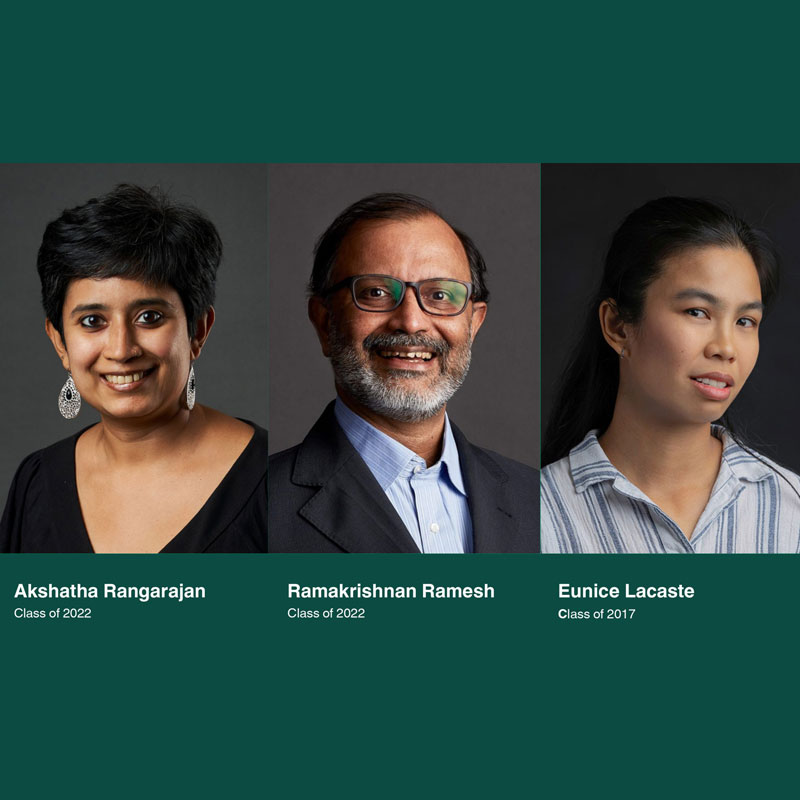
This forum explores the doctoral journeys of three alumni from LASALLE’s MA Asian Art Histories programme and illuminate their transition from MA studies to PhD research.
Ramesh Ramakrishnan, Eunice Lacaste and Akshatha Ranganrajan will reflect on research challenges such as fieldwork complexities, linguistic barriers and archival access, alongside the practical realities of navigating application processes, funding mechanisms and institutional expectations.
Attendees will gain critical insights into the evolving landscape of Asian art scholarship and practical strategies for shaping their own scholarly endeavours, from proposal writing to sustaining research momentum.
Wednesday 25 March 2026
7.00pm to 8.30pm
Location
Online via Zoom
Admission
Free, register here for Zoom details
About the panellists
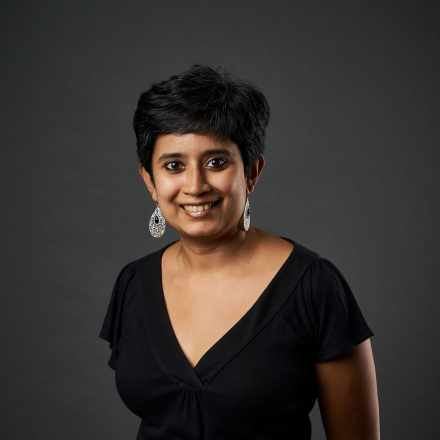
Akshatha Rangarajan is a sculptor who graduated from the MA Asian Art Histories programme in 2022.
She is currently a doctoral candidate in art history at Monash University in Melbourne, Australia. She serves as a postgraduate representative of the Australasian Network for Asian Art (AN4AA).
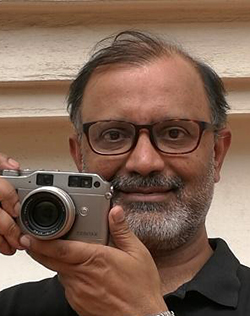
Ramakrishnan Ramesh graduated from the MA Asian Art Histories programme in 2018.
He is currently a doctoral candidate at the Nanyang Technological University. His dissertation examines Faithscapes along the Ganges in Varanasi and Kolkata, integrating key actors’ oral narratives with visual documentation. He is passionate about photography and has published several photobooks.
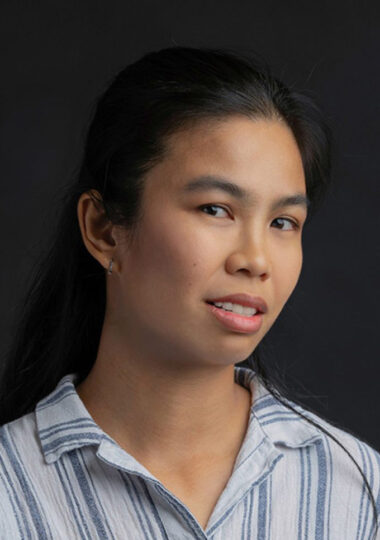
Eunice Lacaste graduated from the MA Asian Art Histories programme in 2017.
She completed her PhD at the Nanyang Technological University in 2026. She researched participatory art and screen culture for her dissertation. Eunice currently manages the Art x Tech Lab at Aliwal Arts Centre, an initiative by the National Arts Council, Singapore.


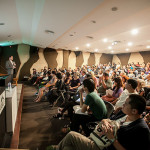 Date: Monday, 7th September 2015
Time: 7pm-9pm
Venue: Block F, Room 201, LASALLE College of the Arts
Synopsis:
The Young Art Historians Forum presented by the MA Asian Art Histories Programme is a public forum where three early career researchers will present their latest research project on modern and contemporary art histories in Southeast Asia. The three presenters are:
Clare Read more....
Date: Monday, 7th September 2015
Time: 7pm-9pm
Venue: Block F, Room 201, LASALLE College of the Arts
Synopsis:
The Young Art Historians Forum presented by the MA Asian Art Histories Programme is a public forum where three early career researchers will present their latest research project on modern and contemporary art histories in Southeast Asia. The three presenters are:
Clare Read more.... 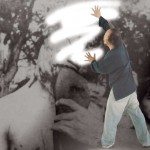 by Iola Lenzi
In his latest novel Map of the invisible World, Malaysian author Tash Aw discusses selective amnesia in the context of Indonesian history. One of his protagonists notes that Europeans remember bad things, while Asians forget them-as a way of erasing pain-, concluding that “…to be ignorant of one’s true history is to live in a void…where you do not really exist…”. Thai art
by Iola Lenzi
In his latest novel Map of the invisible World, Malaysian author Tash Aw discusses selective amnesia in the context of Indonesian history. One of his protagonists notes that Europeans remember bad things, while Asians forget them-as a way of erasing pain-, concluding that “…to be ignorant of one’s true history is to live in a void…where you do not really exist…”. Thai art 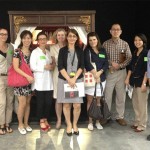 The students were given a tour by their own peer, Marie Mol (front, centre), who is a trained Singapore Art Museum docent and a guide at Art Stage.
There were also opportunities to meet the artists themselves.
The students were given a tour by their own peer, Marie Mol (front, centre), who is a trained Singapore Art Museum docent and a guide at Art Stage.
There were also opportunities to meet the artists themselves. 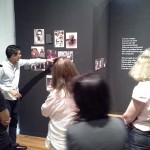 Sudjojono was one of Indonesia’s leading artists of the post-war period. A nationalist at heart, he helped the nationalist forces under Sukarno stir anti-Dutch sentiments by propagating images and producing artworks that advanced the revolutionary cause. An expressionist and realist, he rejected the idealised Mooi Indie (Beautiful Indies) landscapes that were painted by his fellow Indonesian artists